RAT CARE GUIDE
A Complete Guide to Health, Nutrition, Housing & Lifelong Wellness
INTRODUCTION & OVERVIEW
Welcome to Life With Pet Rats
Domestic pet rats are descended from the Norway or brown rat (Rattus norvegicus). They are intelligent, highly social, curious omnivores that can learn routines, recognize familiar people, solve simple problems, forage, climb, nest, and form strong social relationships with other rats. Their relatively short life span makes preventive care and early recognition of illness especially important.
This guide is designed for rats of all ages—from pups and newly weaned juveniles through adults and seniors—and covers housing, social needs, nutrition, enrichment, preventive care, common disease, reproduction, senior care, zoonotic precautions, and emergency warning signs.
Quick Care Snapshot
| Care Need | Recommended Routine | Why It Matters |
|---|---|---|
| Social life | House with compatible rats whenever medically and behaviorally appropriate. | Rats are strongly social and benefit from normal companionship and interaction. |
| Enclosure & bedding | Use a large, secure, well-ventilated cage with solid footing and low-dust, unscented bedding kept dry. | Supports exercise while reducing respiratory irritation, moisture, and ammonia buildup. |
| Food & water | Feed a complete rat pellet/block as the dietary foundation and provide fresh water at all times. | Reduces selective feeding, obesity, nutrient imbalance, and dehydration risk. |
| Activity & enrichment | Provide climbing, hiding, nesting, foraging, gnawing, exploration, and safe out-of-cage activity. | Supports physical condition and normal behavior. |
| Health monitoring | Observe each rat daily, weigh weekly in grams, and establish regular veterinary care. | Weight and behavior changes often reveal illness before severe signs develop. |
KNOW YOUR RAT: NORMAL FEATURES & PHYSIOLOGY
1. Size and Life Span
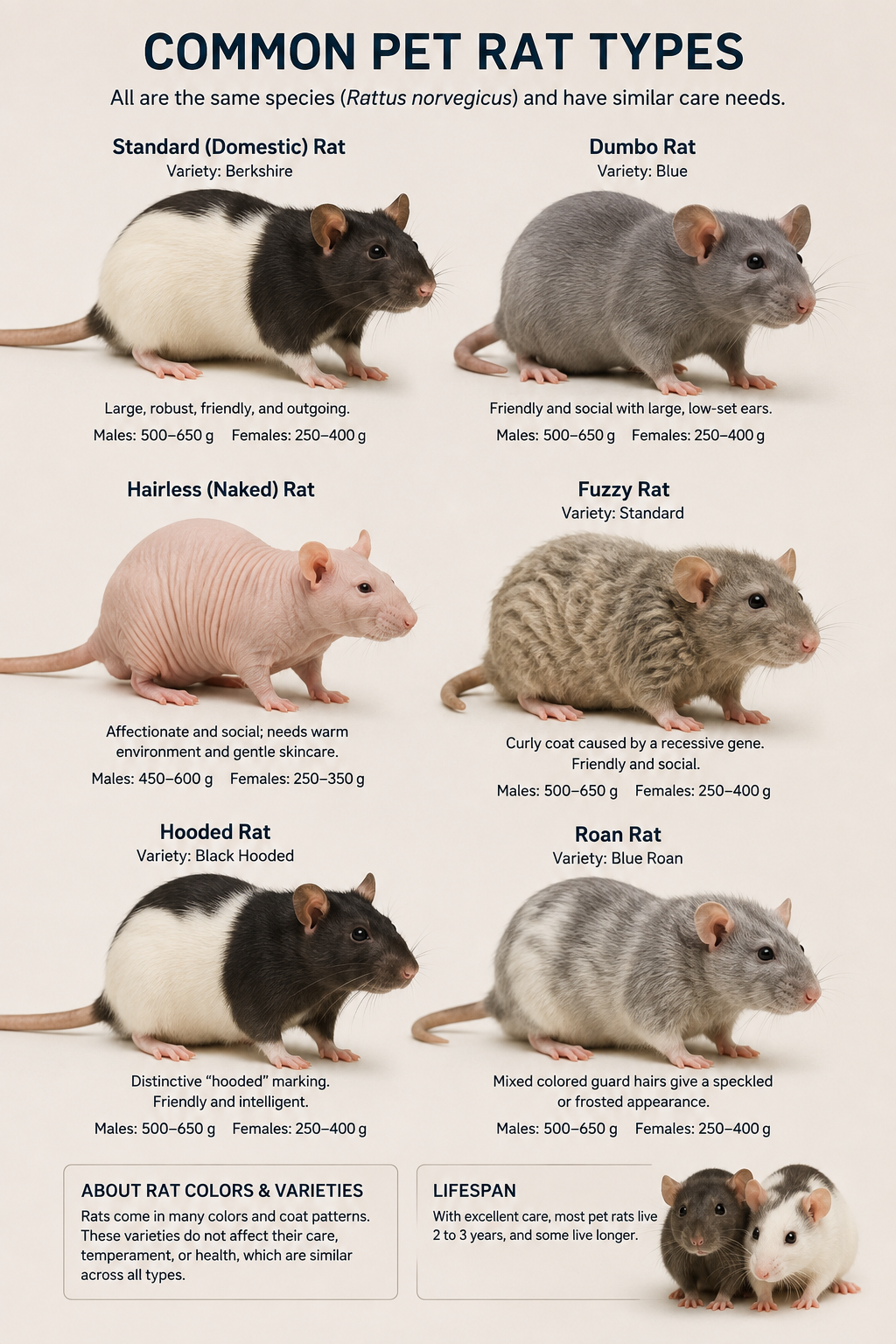
Adult size varies substantially with sex, genetics, age, and body condition. Current veterinary references commonly place adult females roughly in the 350–450 g range and males around 450–650 g, while other well-established laboratory and companion-rat references report somewhat smaller ranges. For an individual pet, a stable body-condition score and weight trend are usually more useful than comparison with a single “ideal” number.
Most pet rats live approximately 18–36 months. Because a few weeks can represent a meaningful portion of a rat’s life, owners should not wait for a prolonged decline before seeking veterinary care.
2. The Harderian Gland and “Red Tears”
Behind each eye is a Harderian gland that produces a reddish-brown porphyrin-containing secretion. Small amounts may occasionally be seen around the eyes or nose, particularly after sleep. Heavy, persistent, or newly increased porphyrin staining is not blood, but it can be associated with stress, pain, respiratory disease, or other illness and should prompt closer evaluation.
3. Teeth
Rat incisors grow continuously throughout life. Their enamel is normally yellow to orange, and the lower incisors are much longer than the upper incisors. The molars do not grow continuously in the same way. Provide safe items to gnaw, but remember that chewing cannot correct malocclusion. Never clip overgrown incisors with household tools; abnormal teeth require appropriate veterinary dental care.
4. Breathing and Senses
Rats are obligate nasal breathers under normal circumstances and have a high resting respiratory rate. Normal breathing should be quiet and comfortable; persistent respiratory noise, increased effort, or open-mouth breathing is abnormal and is discussed in the respiratory-disease and emergency sections below.
Rats have excellent smell, hearing, and tactile sensation but comparatively limited vision, especially in albino animals. They can detect frequencies above the human hearing range. Avoid placing their enclosure close to persistent high-pitched or ultrasonic equipment, speakers, alarms, or other unpredictable noise sources.
5. Approximate Normal Physiologic Values
| Parameter | Approximate Reference | Notes |
|---|---|---|
| Body temperature | About 99.9°F (37.7°C) | Handling, environment, illness, and measurement technique influence temperature. |
| Heart rate | About 300–500 beats/minute | Very rapid and strongly affected by stress. |
| Respiratory rate | About 70–150 breaths/minute | Observe effort and sound before handling; respiratory distress matters more than an isolated count. |
HOME SETUP & HUSBANDRY
1. Choose a Large, Well-Ventilated Enclosure
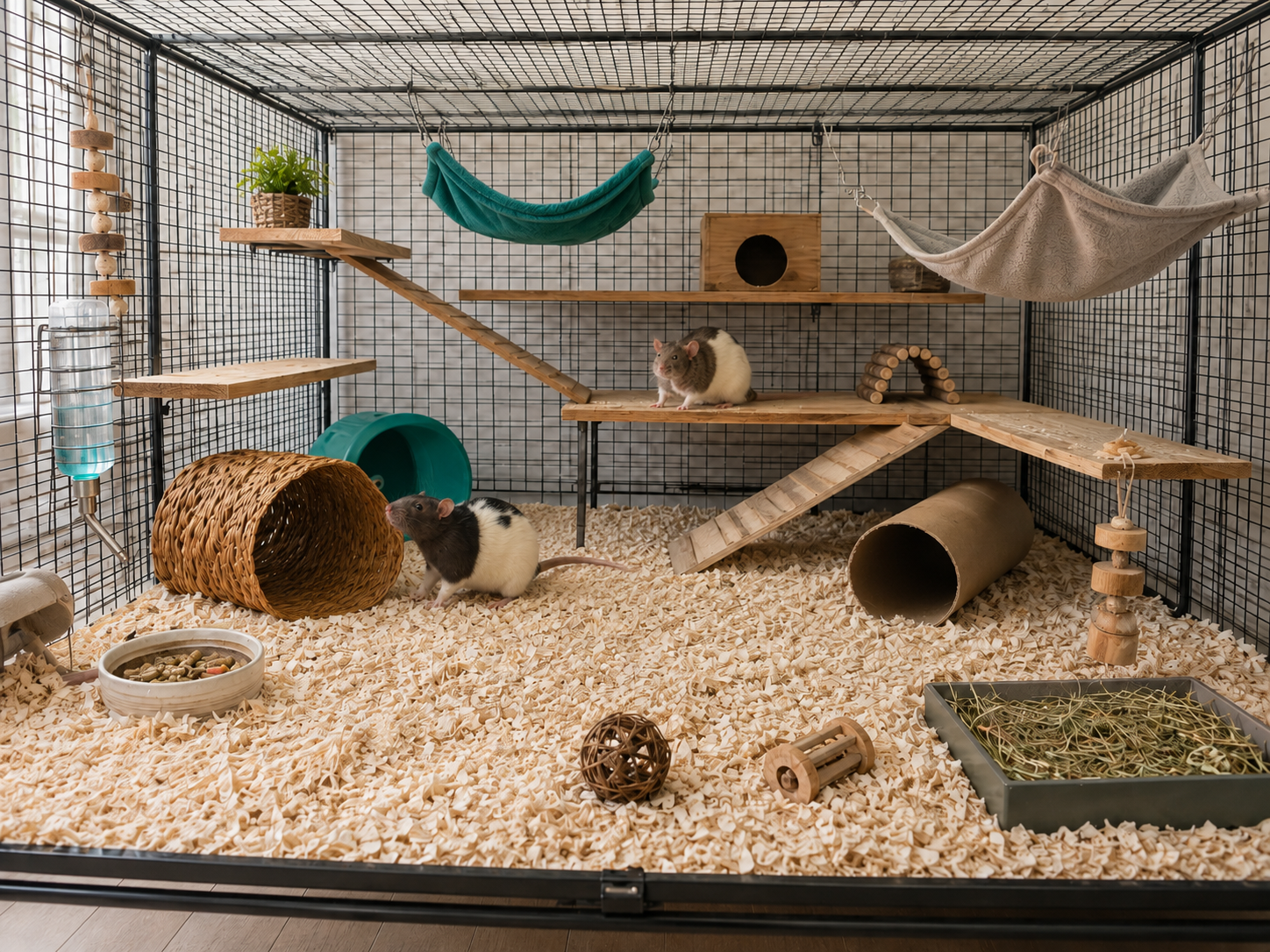
Rats need much more than enough floor space to turn around. A useful enclosure allows them to stand upright, climb, stretch, run, rest apart when desired, and use multiple levels without dangerous fall distances. Current veterinary guidance emphasizes providing more than laboratory minimum-space standards. In practical terms, choose the largest secure enclosure that fits the household and can be cleaned reliably.
- Use solid flooring and solid resting shelves. Continuous wire-mesh floors can injure feet and contribute to pododermatitis.
- Wire-sided cages generally provide better ventilation than aquariums. Aquariums and poorly ventilated plastic bins can allow ammonia and humidity to accumulate.
- Provide multiple hides and sleeping areas. In a group, more than one shelter reduces competition and gives rats choice.
- Add hammocks, ropes, ladders, shelves, tunnels, boxes, and other secure climbing structures while preserving open space for movement.
- Check doors, bar spacing, clips, plastic edges, and chew damage frequently; young rats can squeeze through surprisingly small gaps.
2. Bedding: Prioritize Low Dust and Clean Air
Paper- or cellulose-based bedding is a conservative, broadly useful choice because it can be low-dust, absorbent, and easy to replace. Bedding recommendations differ somewhat among veterinary and welfare sources regarding individual wood products, so the most important principles are low dust, low odor, dryness, and frequent sanitation.
- Avoid aromatic cedar, dusty sawdust, strongly perfumed or deodorized litter, and any damp or moldy material.
- Corncob bedding is generally a poor choice because it can mold and may be ingested.
- Some veterinary sources accept clean, low-dust hardwood/aspen products, while some welfare organizations advise avoiding wood-chip bedding. When uncertain, use a high-quality paper/cellulose product.
- Provide separate nesting material such as plain unscented tissue or shredded paper.
- Avoid fluffy cotton-wool nesting products that can entangle limbs or be swallowed.
3. Temperature, Humidity, Light, and Location
A broadly accepted indoor temperature range is approximately 64–79°F (18–26°C), with relative humidity around 30–70%. A moderate room temperature near 19–23°C (66–73°F) is comfortable for many pet rats. Avoid direct sun, radiators, heating vents, drafts, garages, sheds, and rooms with large temperature swings.
Heat can be especially dangerous to obese, elderly, pregnant, or respiratory-compromised rats. Keep albino and red-eyed rats away from intense illumination, and provide a predictable day/night cycle with dark sheltered resting areas.
4. Cleaning and Ammonia Control
Urine breakdown produces ammonia. Ammonia is not simply an odor problem: experimental work in rats has shown that elevated cage ammonia can increase the growth of Mycoplasma pulmonis and worsen the severity of respiratory mycoplasmosis. This makes sanitation especially important for rats with chronic respiratory disease.
- Remove visibly wet or urine-soaked bedding every day.
- Wash heavily used litter trays, shelves, and urine-marked surfaces as needed.
- Perform a full enclosure clean on a schedule that keeps the habitat dry and low-odor—commonly at least weekly and sometimes more often for larger groups or respiratory patients.
- Clean food containers and water equipment regularly and verify that no detergent or disinfectant residue remains.
- Do not rely on fragrance to mask odor. A strong “rat cage” smell means sanitation or ventilation needs improvement.
- For a healthy stable group, retaining a small amount of clean familiar nesting material during routine cleaning may reduce disruption of the group scent. Do not retain damp or soiled material.
5. New Rats and Quarantine
New rats can carry respiratory organisms, ectoparasites, or other infections before obvious signs appear. A separate observation period away from resident rats, followed by an examination by a rat-experienced veterinarian, is prudent when the source or health history is uncertain. The ideal quarantine duration depends on source, exposure history, and household risk. Do not introduce a rat with sneezing, nasal discharge, porphyrin staining, diarrhea, skin lesions, external parasites, or unexplained weight loss to a resident group until it has been evaluated.
COMPANIONSHIP, HANDLING & NATURAL BEHAVIOR
1. Rats Are Social Animals
Rats should ordinarily live with compatible rats rather than alone. Welfare reviews consistently identify social housing as one of the most important forms of enrichment for rats. Suitable arrangements include compatible same-sex pairs or groups and mixed-sex groups in which reproduction has been prevented.
- Young littermates or rats introduced carefully while young often form stable groups.
- Adult introductions should be gradual and supervised; unfamiliar adults may fight before a stable relationship forms.
- Provide multiple food, water, sleeping, and hiding resources so one rat cannot control access.
- Normal social behavior may include grooming, pinning, boxing, following, squeaking, and brief dominance interactions.
- Separate and seek guidance if there are repeated injuries, persistent bullying, severe fear, inability to access resources, or rolling fights.
- A rat that must live alone temporarily for medical reasons needs increased safe human interaction and enrichment.
2. Handling
Frequent gentle handling usually produces calm, cooperative pet rats. Approach from the side or front where the rat can see and smell you. Support the chest and hindquarters when lifting.
- Allow the rat to approach your hand when possible.
- Place one hand around or beneath the chest and use the other to support the hindquarters.
- Hold the rat close to your body or over a safe surface.
- Teach children to sit while handling rats and supervise all interactions.
Do not lift a pet rat by the tip or middle of the tail. Tail injury and skin degloving can occur. Veterinary personnel may use the base of the tail as part of specific restraint techniques, but this is not a routine pet-handling method.
3. Enrichment and Exercise
Rats benefit from social, spatial, and object enrichment. Research reviews support larger/higher cages, shelters, nesting material, foraging opportunities, gnawing, and varied environmental complexity.
- Hammocks, baskets, boxes, tunnels, ropes, ladders, platforms, and climbing branches secured safely
- Paper for shredding and nest building
- Cardboard boxes and tubes with safe openings
- Scatter feeding and food hidden in paper packets, forage trays, or puzzle feeders
- A dig box containing an appropriate clean substrate
- Safe wood or other gnawing materials
- Positive-reinforcement training using tiny portions of the normal food allowance
- Supervised exercise outside the cage in a rat-proof room or pen
Rotate some enrichment items periodically while retaining familiar shelters and resting areas. Novelty can be stimulating, but completely changing the entire environment at every cleaning can be stressful.
4. Exercise Wheels
Some rats use wheels and some do not. If one is provided, choose a stable solid-surface wheel large enough that the rat can run without sharply arching the spine or tail. Avoid wire rungs, open mesh, exposed axles, or scissor-like supports that can trap feet or tails.
5. Normal Behaviors
| Behavior | What It Often Means |
|---|---|
| Allogrooming | Social grooming that helps maintain group relationships. |
| Bruxing | Grinding the incisors; may occur during relaxation but can also occur with stress or pain, so context matters. |
| Boggling | Rapid movement of the eyes associated with intense bruxing; often seen in relaxed rats but should be interpreted with the rest of the rat’s behavior. |
| Scent marking | Normal urine marking used for communication; males often mark more than females. |
| Nesting and shredding | Normal environmental manipulation and sleeping-area construction. |
| Food caching | Normal storage behavior; inspect caches so perishable foods do not spoil. |
| Freezing or hiding | Can be a normal fear/startle response, but persistent withdrawal may indicate pain or illness. |
NUTRITION – THE FOUNDATION OF HEALTH
1. Use a Complete Rat Diet as the Foundation
Rats are omnivores, but a nutritionally complete rat pellet or block is the most reliable dietary foundation in captivity. A uniform formulation prevents selective eating. Seed-heavy or “muesli” mixes allow rats to choose the highest-fat components and leave other ingredients behind, increasing the risk of obesity and nutrient imbalance.
Companion-rat references commonly describe adult diets in the neighborhood of 12–16% protein and about 4–6% fat, although requirements vary by life stage and product. Growing, pregnant, lactating, underweight, and medically ill rats may need a different formulation or calorie plan. The package feeding guide is a starting point, not a substitute for monitoring body condition and weight.
2. Do Not Free-Feed High-Calorie Food Indefinitely
Obesity is common in pet rats. Veterinary literature shows that excessive calorie intake shortens longevity in rodents, while calorie restriction without malnutrition increases lifespan in research populations. The goal for a pet is not severe restriction—it is a lean, well-muscled body condition and a stable weight appropriate for that individual.
- Measure the staple diet rather than continually topping off a full bowl.
- Count training treats and enrichment food as part of the daily calorie allowance.
- In a group, provide food in more than one location so timid rats are not excluded.
- Monitor each rat individually; the heaviest rat may be overeating while a cage-mate is losing weight.
3. Fresh Foods
Small portions of fresh vegetables and other wholesome foods can provide variety and enrichment. High-fiber vegetables are generally preferable to calorie-dense treats. Fruit can be offered in limited amounts. Because a complete rat diet already supplies required protein, rich protein foods should remain small supplemental treats rather than becoming the dietary foundation.
| Food Type | Role | Practical Guidance |
|---|---|---|
| Complete rat pellet/block | Primary diet | Choose a nutritionally complete product intended for rats; offer a measured daily amount. |
| Vegetables | Regular supplement/enrichment | Offer small portions of varied washed vegetables; introduce new foods gradually. |
| Fruit | Occasional supplement/treat | Use small portions because of sugar content. |
| Whole grains/seeds | Enrichment/treat component | Small amounts can be scattered for foraging; high-fat seeds should not replace the complete diet. |
| Egg or other protein-rich foods | Occasional small treat when appropriate | Not routinely required when a complete diet is fed; needs differ in growth, reproduction, and disease. |
4. Foods and Feeding Practices to Avoid
- Seed mixes as the sole or primary diet
- Large amounts of sugary, fatty, salty, or highly processed human food
- Alcoholic or caffeinated beverages
- Moldy, spoiled, fermented, or contaminated food
- Unknown plants, garden clippings, or foods exposed to pesticides or wild-rodent contamination
- Large abrupt diet changes
Published pet-rat food-avoidance lists are not completely consistent. When evidence is uncertain, there is little benefit to testing a questionable food when a complete diet and many well-established fresh-food choices are available.
5. Water
Fresh water must be available at all times. Check bottle valves every day by touching the drinking tip to confirm that water actually flows. In groups, consider more than one water source. Heavy bowls can be used for rats that prefer them but must be kept clean and may be contaminated quickly with bedding.
6. Coprophagy Is Normal
Rats normally consume some of their feces. This behavior is part of normal rodent physiology and is not, by itself, a sign that the diet is inadequate.
WEIGHT & BODY CONDITION
1. Weekly Weighing
Use a digital scale that reads in grams and keep a written or electronic weight record for every rat. Weigh at approximately the same time of day when practical. During respiratory disease, recovery, advanced age, tumor monitoring, or appetite concerns, your veterinarian may recommend daily or several-times-weekly weights.
| Finding | What to Do |
|---|---|
| Stable weight, lean body condition, normal appetite/activity | Continue routine monitoring. |
| Gradual downward trend over multiple weigh-ins | Schedule a veterinary evaluation even if the rat remains interactive. |
| Sudden measurable loss plus reduced appetite, respiratory signs, weakness, or diarrhea | Seek prompt veterinary care. |
| Progressive weight gain with reduced mobility or difficulty grooming | Review portion size, treats, exercise, and body condition with your veterinarian. |
2. Body Condition Matters More Than a Single Target Weight
Healthy adult rats vary considerably in size. Follow the individual rat’s weight trend together with muscle mass, fat cover, mobility, grooming ability, and appetite. Unexplained loss of weight or body condition is more important than whether a rat falls inside a published population range.
GROOMING & HYGIENE
1. Coat and Skin
Healthy rats groom themselves frequently and usually do not need routine baths. Regular handling is an excellent opportunity to inspect the coat and skin.
- Look for scabs, dandruff, crusts, patchy hair loss, bite wounds, barbering, redness, ulceration, or tiny moving parasites.
- Persistent itching can be caused by mites, lice, infection, allergy, or other skin disease and should be diagnosed rather than treated with random dog/cat products.
- Hairless rats and some coat varieties may need individualized skin care and protection from rough surfaces or temperature extremes.
2. Bathing
Routine full-body bathing is usually unnecessary and may chill or stress a rat. Clean a localized dirty area gently with a damp cloth when possible. If a rat is repeatedly soiling itself, look for the reason—obesity, arthritis, weakness, urinary disease, neurologic disease, or an unsuitable enclosure may be contributing.
3. Nails and Feet
Check nails and footpads regularly. Nails may need periodic trimming, especially in older or less active rats. Redness, swelling, sores, crusting, or ulceration on the feet can indicate pododermatitis and deserves veterinary attention. Solid flooring, dry bedding, weight control, and treatment of underlying disease help reduce foot problems.
4. Tail Care
The tail is normally covered with scales and fine hair. Do not aggressively scrub or peel the scales. If the tail is dirty, soften debris with lukewarm water and gently wipe in the direction of the scales. Persistent discoloration, wounds, swelling, cold tissue, constricting rings, or loss of circulation is abnormal.
PREVENTIVE VETERINARY CARE
1. Establish Veterinary Care Early
Arrange an initial examination with a veterinarian comfortable treating rats soon after acquisition. This establishes a baseline weight and body condition and allows review of sex, teeth, skin, respiratory status, housing, diet, and reproductive planning.
2. Wellness Schedule
| Life Stage | Suggested Veterinary Monitoring |
|---|---|
| Newly acquired | Initial examination; confirm sex; review respiratory health, skin/parasites, teeth, diet, enclosure, and group-introduction plan. |
| Healthy adult | At least annual examination, with earlier visits for any change in weight, breathing, lumps, teeth, or behavior. |
| Senior (often around 18–24 months and older) | Consider examinations about every 6 months because tumors, respiratory disease, dental problems, kidney disease, and mobility disorders become more common with age. |
| Chronic disease / recovering patient | Recheck interval individualized by the veterinarian; home weights and respiratory observations may be needed daily. |
3. Vaccines and Parasite Prevention
There is no routine companion-animal vaccination program for pet rats in the United States. Routine monthly dog/cat flea, tick, or heartworm products should not be applied automatically. Parasite treatment should be based on exposure risk, examination, diagnosis, and a rat-appropriate drug and dose.
4. Spaying Female Rats
Mammary tumors are extremely common in intact female rats. Current veterinary literature indicates that ovariectomy/spaying before approximately 7 months of age reduces the later risk of mammary tumor formation. Many exotic-animal practices discuss elective spay around 4–6 months, once the individual is an appropriate surgical candidate. The benefit must be balanced against anesthetic and surgical risk, the rat’s health, and the experience of the veterinary team.
5. Diagnostic Testing
Depending on age and clinical findings, evaluation may include skin or parasite testing, cytology, bacterial culture, radiographs, ultrasound, blood testing, urinalysis, or other imaging. Respiratory disease may require thoracic imaging, and a rapidly growing mass may be evaluated for surgery before it becomes too large to remove comfortably.
REPRODUCTIVE HEALTH & LIFE STAGES
1. Pups and Weaning
Rat pups are born blind and deaf after a short gestation of about 21–23 days. Litters can be large; different references report typical litter sizes from roughly 6 to 18. Weaning occurs at about 21 days.
Young rats should be accurately sexed around weaning and opposite-sex animals separated well before reproductive maturity unless a planned breeding program is under veterinary and experienced breeder supervision. Male rats may mature at approximately 6–10 weeks and females around 8–12 weeks, with some variation.
2. Juvenile and Growing Rats
- Feed a nutritionally complete diet appropriate for growth rather than aggressively restricting calories.
- Recheck sex identification before reproductive maturity.
- Use secure bar spacing because young rats can escape through surprisingly narrow gaps.
- Continue gentle handling and positive socialization during this highly adaptable life stage.
3. Pregnancy and Lactation
Rats can become pregnant again soon after giving birth, so an intact male should not remain with a postpartum female unless another litter is intended. Pregnant and nursing females require adequate complete nutrition, constant access to water, a secure nesting area, and minimal unnecessary disturbance. Weakness, prolonged straining, abnormal bleeding, failure to eat, a foul discharge, or collapse requires veterinary attention.
4. Adult Rats
Adult care centers on maintaining the housing, nutrition, social environment, weight monitoring, and preventive-care routines described throughout this guide. Any new respiratory sign, mass, dental change, or decline in activity should be evaluated rather than attributed to normal adulthood.
5. Senior Rats
Older rats are more likely to develop tumors, chronic respiratory disease, hindlimb weakness, arthritis, dental problems, pituitary disease, and kidney disease. Aging should not be used as the explanation for a new clinical sign.
- Lower fall hazards and add ramps, low hammocks, and easy routes between levels.
- Place food and water where a less-mobile rat can reach them without climbing.
- Use soft, dry bedding and check feet and pressure points more often.
- Maintain companionship whenever possible; an elderly rat may still rely heavily on a familiar cage-mate.
- Discuss pain control, supportive nutrition, respiratory management, mobility support, and quality of life before a crisis develops.
COMMON HEALTH CONCERNS
1. Chronic Respiratory Disease (CRD) / Murine Respiratory Mycoplasmosis
Respiratory disease is one of the most important medical problems in pet rats. Mycoplasma pulmonis is a major component of chronic respiratory disease, but CRD is multifactorial: other bacteria and viruses, the rat’s immune status and genetics, nutrition, stress, and environmental factors such as ammonia can influence how severely disease is expressed.
Many infected rats are initially subclinical. When disease becomes apparent, signs can involve both the upper and lower airways and may include:
- Frequent sneezing, snuffling, coughing, or nasal discharge
- Rattling, clicking, wheezing, or other new respiratory sounds
- Persistent porphyrin staining around the eyes or nose
- Faster breathing or increased abdominal effort
- Reduced activity or exercise tolerance
- Weight loss, poor appetite, hunched posture, or rough coat
- Head tilt or balance problems when middle-ear disease is involved
- Severe respiratory distress, open-mouth breathing, weakness, or collapse in advanced disease
AVMC Staged Approach to Chronic Respiratory Disease
The following severity framework is adapted from the supplied Advanced Veterinary Medical Center in-hospital Rat Chronic Respiratory Disease Protocol. It explains why treatment becomes more intensive as disease progresses and is not a home dosing protocol.
| Stage | Typical Clinical Pattern | Veterinary Approach |
|---|---|---|
| Stage 1 – Mild | Sneezing, coughing, or increased respiratory sounds while weight, activity, and exercise tolerance remain normal. | Early antimicrobial therapy may include doxycycline plus azithromycin. Lower-airway wheezing may require theophylline. Saline humidification/nebulization can be used when clinically appropriate. |
| Stage 2 – Moderate | Stage 1 signs plus mild-to-moderate weight loss and/or reduced activity. | Continue/intensify Stage 1 therapy; a short course of anti-inflammatory treatment may be added. Hypertonic-saline nebulization may be used for crackles, gurgling, or tenacious secretions when tolerated. |
| Stage 3 – Advanced | Weight/activity decline plus mild-to-moderate exercise intolerance and persistent upper/lower respiratory signs. | Reassess for secondary infection. Antibiotic therapy may be changed or expanded, including selected use of enrofloxacin or amoxicillin/clavulanate. Bronchodilation, inhaled ipratropium, imaging, and additional supportive care may be indicated. |
| Stage 4 – Critical | Severe exercise intolerance, marked anorexia, profound depression/weakness, and significant respiratory disease. | Hospitalization is appropriate. Oxygen, intensive nebulization, injectable medication, nutritional/fluid support, and minimizing the stress of repeated oral medication may be necessary. |
For rats with a known pattern of relapse, the clinic protocol uses an early-treatment plan tailored to the individual patient. Owners should contact the treating veterinarian when signs recur rather than improvising drug choice, duration, or dosing from a previous episode.
Exact therapy depends on age, weight, hydration, disease severity, other medications, and suspected organisms. Hypertonic saline can become irritating in some patients and should be modified or discontinued if it worsens respiratory distress.
Environmental Management Is Part of Treatment
The ventilation, bedding, and sanitation measures described under Cleaning and Ammonia Control are part of respiratory treatment, not merely housekeeping. Controlled studies demonstrated that elevated cage ammonia worsened M. pulmonis-associated respiratory disease in rats.
2. Mammary Tumors
The most common subcutaneous tumor in pet rats is the mammary fibroadenoma. These tumors are often benign but can become very large, ulcerated, painful, or mechanically disabling. Because mammary tissue extends from the neck to the groin, masses can appear almost anywhere along the underside or sides of the body, including the axilla.
- Have any new or growing mass examined early; surgery is generally easier before a tumor becomes enormous.
- Both males and females can develop mammary tumors.
- Recurrence or development of additional tumors in other mammary tissue is common.
- Early spaying of females can reduce later mammary-tumor risk; see the preventive-care section for timing considerations.
3. Pituitary Tumors
Pituitary tumors occur particularly in older rats. Signs can include progressive weakness or poor coordination, hindlimb paresis/paralysis, changes in vision, altered behavior, difficulty using the forelimbs normally, and sometimes spontaneous lactation when prolactin is secreted. Because similar signs can result from ear disease, stroke, arthritis, spinal disease, or other conditions, veterinary evaluation is important.
4. Hindlimb Weakness, Arthritis, and Spinal Disease
Older rats may develop degenerative spinal or peripheral neurologic disease and progressive hindlimb weakness. Arthritis, obesity, tumors, and neurologic disease can look similar at home. Modify the enclosure immediately to prevent falls and place food/water at an accessible level, but do not assume loss of mobility is an unavoidable part of aging.
5. Skin Disease, Mites, Lice, and Barbering
Itching, scabs, patchy hair loss, wounds, or coat damage may result from mites, lice, fungal infection, bacterial disease, barbering by a cage-mate, self-trauma, or other causes. Tropical rat mites can also live in the environment and bite people. Diagnosis matters because treatment of the rat alone may fail if the environment is the source.
Do not apply over-the-counter dog or cat flea products without veterinary guidance. Small errors in product concentration or dose can be serious in a rat.
6. Dental Disease
Incisor overgrowth can result from malocclusion, trauma, a fractured tooth, skull/jaw disease, or loss of the opposing incisor. Signs include drooling, inability to grasp food, selective eating, weight loss, mouth trauma, or visibly elongated teeth. Recurring malocclusion may require scheduled dental reduction or, in selected cases, extraction.
7. Ear Disease and Head Tilt
Head tilt, circling, falling, or loss of balance requires prompt evaluation. Middle- or inner-ear infection can occur as an extension of respiratory disease, but pituitary disease, stroke, trauma, and other neurologic disorders can produce similar signs.
8. Abscesses and Wounds
Bite wounds and punctures may close over before an abscess becomes obvious. Swelling, pain, heat, drainage, odor, lethargy, or reduced appetite warrants examination. Repeated injuries also mean the social group or enclosure needs review.
9. Kidney and Urinary Disease
Age-related kidney disease occurs in rats, particularly older males in some populations. Increased thirst or urination, dehydration, weight loss, poor appetite, urine changes, or declining body condition should be investigated rather than attributed solely to age.
ZOONOTIC DISEASE & HOUSEHOLD HYGIENE
Pet rats can carry organisms that cause human disease even when the rat appears healthy. The goal is not to fear pet rats but to use consistent hygiene. Current CDC small-mammal guidance is particularly important for young children, adults 65 and older, pregnant people, and people with weakened immune systems.
1. Hand Hygiene
- Wash hands with soap and water after handling rats, bedding, feces, urine, food dishes, or enclosure equipment.
- Supervise children’s handwashing.
- Do not eat, drink, smoke, or prepare human food while cleaning the enclosure.
- Do not wash cages, litter trays, or heavily contaminated supplies in food-preparation areas when another cleaning location is available.
- Avoid kissing rats or allowing them to lick the face or mouth.
2. Rat-Bite Fever
Streptobacillus moniliformis can be part of a rat’s normal nasopharyngeal flora and may cause no illness in the rat. People can develop rat-bite fever after bites, scratches, or contact with saliva, urine, or contaminated materials. Fever, vomiting, headache, muscle pain, rash, or painful/swollen joints after rodent exposure should be reported promptly to a human healthcare provider.
3. Bites and Scratches
If a bite or scratch breaks the skin, immediately wash the wound thoroughly with warm soapy water. Seek medical attention for serious wounds, signs of infection, an unusual/sick animal, or if the person is at increased risk for complications. Tell the healthcare provider that the injury involved a rat.
4. Pregnancy and Rodents
The CDC advises that pregnant people avoid handling pet rodents when possible because of concern about lymphocytic choriomeningitis virus (LCMV). The principal natural host of LCMV is the house mouse, but pet rodents can become infected after exposure to wild mice. A household with a pregnant person should prevent wild-mouse access to rat food, bedding, and living areas and discuss risk-reduction steps with a physician.
WHEN TO CALL THE VETERINARIAN
Emergency – Seek Care Immediately
- Open-mouth breathing, gasping, blue/gray mucous membranes, severe respiratory effort, or collapse
- Inability to stay upright, profound weakness/unresponsiveness, seizure, or rapidly progressing paralysis
- Marked anorexia with respiratory distress or rapid deterioration
- Uncontrolled bleeding, major trauma, deep wounds, suspected fracture, or severe painful abdominal distention
- Heat stress with severe lethargy, respiratory distress, or collapse
Prompt Visit – Do Not Delay
- New, persistent, or worsening respiratory signs described in the CRD section
- Measurable weight loss, reduced appetite, hunched posture, rough coat, or persistent withdrawal
- Head tilt, circling, balance change, new hindlimb weakness, or other mobility/neurologic change
- Any new or enlarging mass; drooling, abnormal teeth, or chewing difficulty; persistent itching, wounds, or visible parasites
- Blood in urine/stool, straining, diarrhea, or a major change in urination or defecation
TRAVEL, BOARDING & EMERGENCY PREPAREDNESS
1. Transport Carrier
- Use a secure, well-ventilated carrier with solid footing and familiar clean bedding.
- For bonded rats, traveling together is often less stressful when medically safe.
- Provide a hide and appropriate food for longer journeys.
- Protect the carrier from direct sun, drafts, and temperature extremes.
- Never leave rats unattended in a parked vehicle.
2. Pet-Sitter Instructions
Leave written instructions covering each rat’s normal diet, water checks, cage sanitation, usual activity, current weight, medications, respiratory history, veterinary contact information, and emergency signs. Make sure the sitter knows how to identify each rat individually.
3. Emergency Kit
- Secure carrier
- Digital gram scale
- Usual complete rat food and a small supply of bottled water
- Current medication list and veterinary records
- Extra clean bedding and nesting material
- Contact information for a veterinarian experienced with rats and an after-hours emergency facility
OWNER CHECKLIST
Daily
- Confirm fresh water is available and the bottle or bowl is functioning normally.
- Offer the planned diet, remove spoiled fresh food, and check food caches.
- Observe each rat’s appetite, breathing, activity, grooming, and social behavior.
- Spot-clean wet bedding and provide normal social interaction and enrichment.
Weekly
- Weigh every rat in grams and record the result.
- Perform a hands-on check of skin, coat, feet, nails, incisors, tail, and body for new lumps or injuries.
- Deep-clean the enclosure as needed, clean food/water equipment, and inspect cage hardware and enrichment items for damage.
Monthly / Periodically
- Review long-term weight/body-condition trends and adjust cage accessibility as rats age.
- Check food freshness, medication expiration dates, and veterinary/emergency contact information.
- Trim nails and rotate selected enrichment items as needed.
Follow the age-appropriate examination schedule in the Preventive Veterinary Care section rather than waiting for the annual checklist if a health change develops.
SELECTED REFERENCES & TRUSTED RESOURCES
This guide was prepared using the supplied rat husbandry and respiratory-disease documents together with a targeted review of current veterinary, public-health, animal-welfare, and peer-reviewed sources. External material was reviewed in August 2026.
- Merck Veterinary Manual – Mice and Rats as Pets (professional reference; updated May 2026)
- Merck Veterinary Manual – Routine Health Care of Rats (updated May 2026)
- Merck Veterinary Manual – Description and Physical Characteristics of Rats (updated May 2026)
- Merck Veterinary Manual – Breeding and Reproduction of Rats
- CDC – Healthy Pets, Healthy People: Small Mammals (May 2026)
- CDC – About Rat-Bite Fever
- RSPCA – Creating a Good Home for Rats
- RSPCA – Keeping Pet Rats Together
- RSPCA – What to Feed Pet Rats
- LafeberVet – Care of the Pet Rat
- Environmental Enrichment for Rats and Mice Housed in Laboratories: A Metareview
- Bored at Home? A Systematic Review of Environmental Enrichment and Rodent Welfare
- Schoeb TR, Davidson MK, Lindsey JR. Intracage ammonia promotes growth of Mycoplasma pulmonis in the respiratory tract of rats. Infect Immun. 1982.
- Broderson JR, Lindsey JR, Crawford JE. The role of environmental ammonia in respiratory mycoplasmosis of rats. Am J Pathol. 1976.
- Intorre L, et al. Influence of enrofloxacin on theophylline steady-state pharmacokinetics.
- Basic Information for Rats – supplied source document.
- Rat Chronic Respiratory Disease Protocol – supplied Advanced Veterinary Medical Center in-hospital clinical source document.
Publication Note
This veterinarian-authored guide provides general educational information and does not replace examination, diagnosis, or individualized veterinary care. Drug choices and dosages—particularly for chronic respiratory disease—must be prescribed for the individual rat. Recommendations may change as veterinary evidence develops.
Questions or concerns?
Advanced Veterinary Medical Center
3550 San Pablo Dam Road, Suite E – Sobrante Plaza
El Sobrante, CA 94803
(510) 222-7387
AVMCVET2021@gmail.com